01
Joint Replacement Surgery
Knee, hip and shoulder replacement, including partial knee replacement — patient selection, planning and follow-up handled as one continuous process.
Read MoreIn knee replacement, hip replacement, robotic-assisted joint surgery and arthroscopic procedures, the treatment plan is built around each patient: age, joint condition and the demands of daily life are assessed together.

From joint replacement to arthroscopic surgery — the advanced fields of orthopaedics.
Knee, hip and shoulder replacement, including partial knee replacement — patient selection, planning and follow-up handled as one continuous process.
Read MoreKeyhole surgery for meniscus, cruciate ligament and cartilage injuries, performed through small incisions under camera guidance.
Read MoreStage-based assessment of exercise, injection and surgical options in knee and hip osteoarthritis.
Read More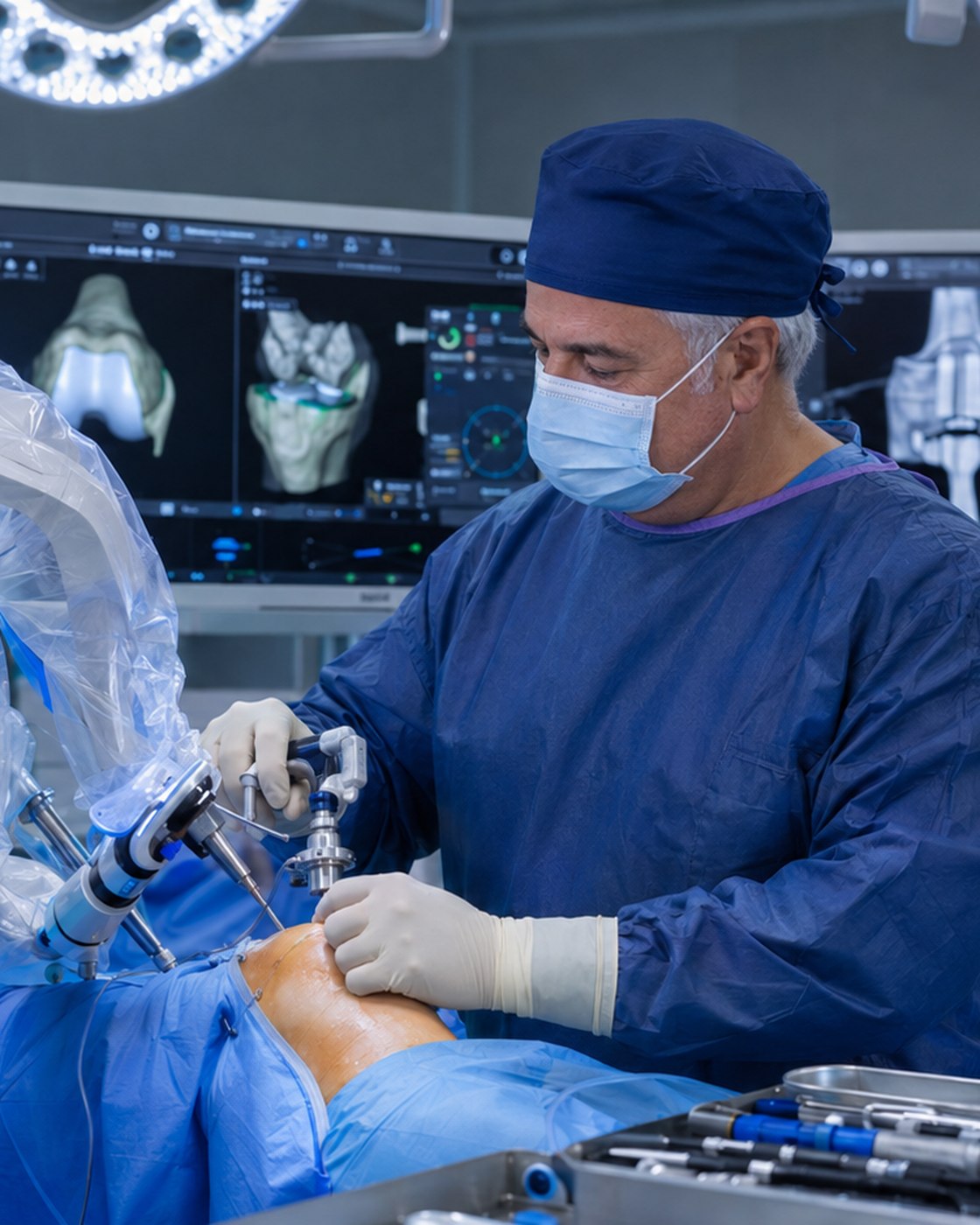
Robotic systems do not perform the operation on their own; they help the surgeon carry out the plan more precisely. In joint replacement this support is used for component positioning and for adjusting leg alignment.
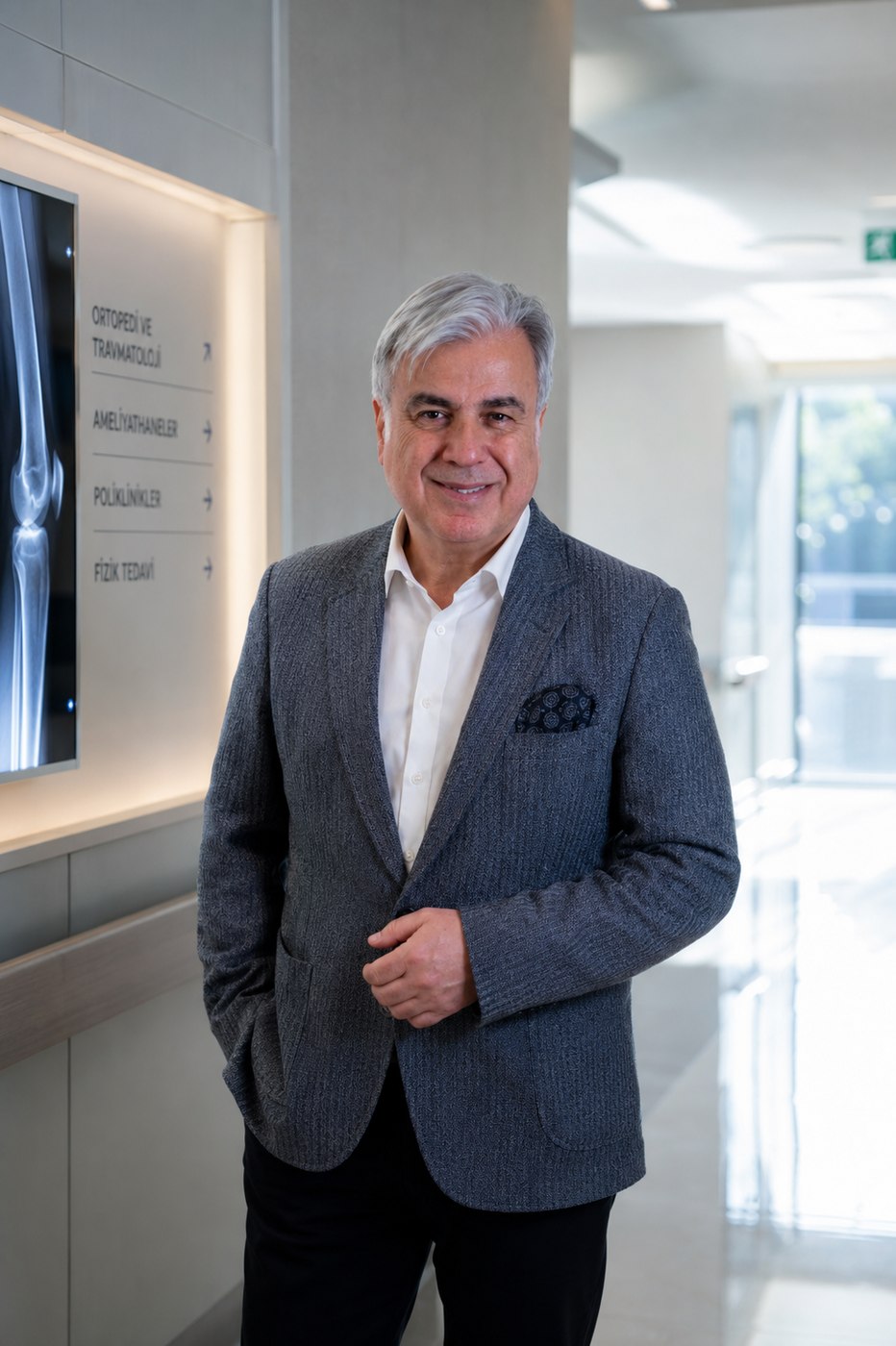
An approach that brings together knee and hip health, joint replacement and robotic-assisted surgery — assessing the patient's age, joint structure and expectations of daily life as a whole.
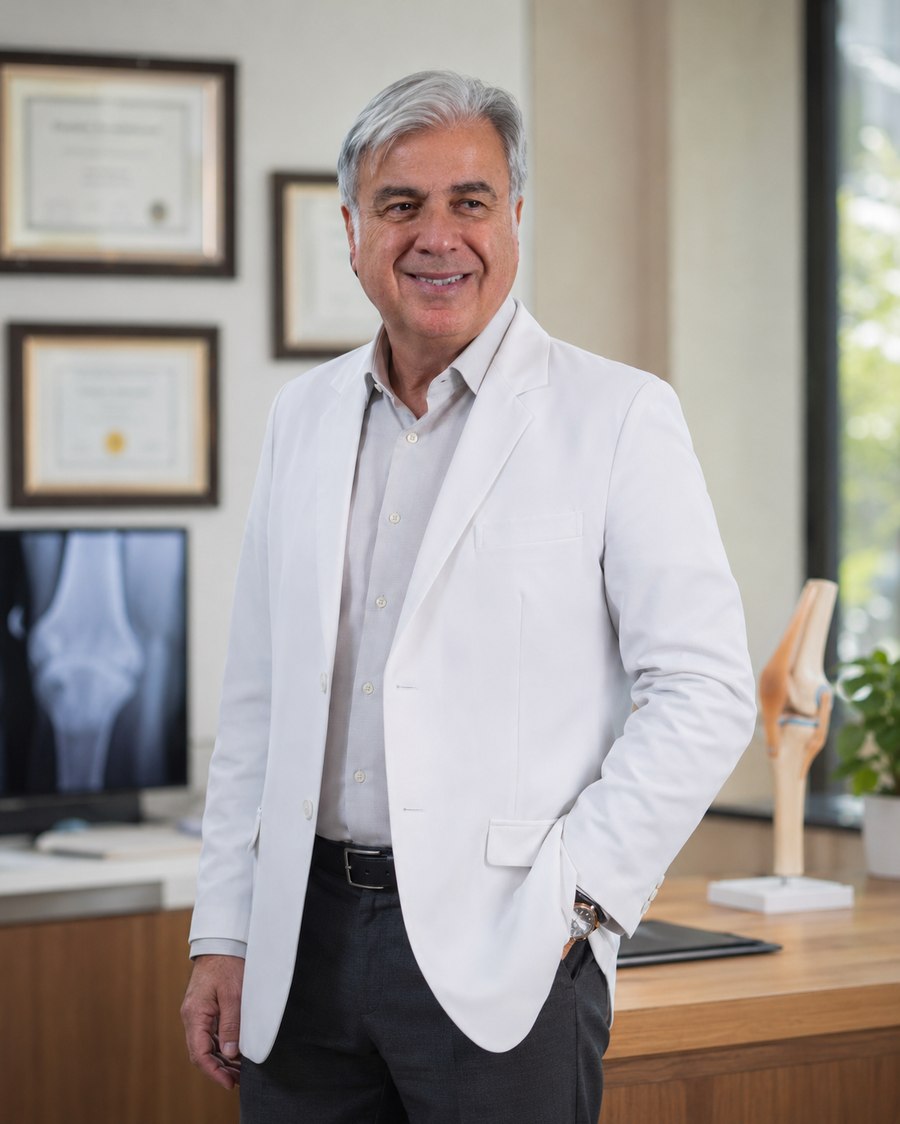
A graduate of Istanbul University Faculty of Medicine, Prof. Dr. Turhan Özler received his associate professorship in 2000 and his professorship in 2020. He heads the Department of Orthopaedics and Traumatology at Yeditepe University Faculty of Medicine.
He is a member of the European Board of Orthopaedics and Traumatology (EBOT), the Turkish Society of Orthopaedics and Traumatology (TOTBİD) and the Turkish Hip and Knee Arthroplasty Society.
Full BiographyDiagnosis and treatment are planned in four stages, around the individual.
Age, joint condition, mobility and expectations of daily life are evaluated together to build the plan.
From diagnosis through to aftercare, the process follows evidence-based medicine and current literature.
In suitable patients, joint replacement is performed with robotic and computer-assisted planning.
Recovery and return to daily life are planned individually and monitored at regular reviews.
From knee and hip pain to joint replacement — explained by the surgeon.
Prof. Özler operated on both of my hips. I used not to be able to get up from where I sat; now I walk very comfortably. I am very grateful.
Nine years ago I fractured the talus in my ankle. There was hardly a doctor I did not see. Finally I came to Prof. Özler. With his detailed explanations, patience and understanding, he is a wonderful doctor.
My 86-year-old mother suffered a hip fracture after a sudden fall. Dr Turhan Özler operated on her successfully and restored her health in a short time; we cannot thank him enough.
Our mother, eighty years old, was struggling to walk because of hip problems. Our dear professor gave her such confidence that she had the operation a few days later. She was walking the next day. Thank you.
I understood how professional my esteemed doctor is when I returned to normal life very quickly with minimal pain. His detailed explanations and close follow-up after surgery left me very satisfied.
The decision is not based on X-rays alone. How much the pain limits daily life, walking distance, night pain and the response to non-surgical treatment are assessed together.
Depending on the method used, most patients stand with support on the day of surgery or the following day with a physiotherapist. Walking aids are typically used for a few weeks.
No. A robotic system does not operate on its own; it helps the surgeon carry out the plan more precisely. All decisions and the execution remain with the surgeon.
No. The type, location, the patient's age and symptoms determine the approach. Many patients improve with exercise and load management.
It is considered when osteoarthritis is limited to one compartment, the ligaments are intact and there is no significant malalignment.
Blood tests, cardiac and respiratory assessment, anaesthetic review and screening for sources of infection. Dental treatment should be completed beforehand.
Describe your symptoms briefly; your request will be reviewed via WhatsApp.
Your details are sent as a prepared WhatsApp message. * In an emergency, please call.